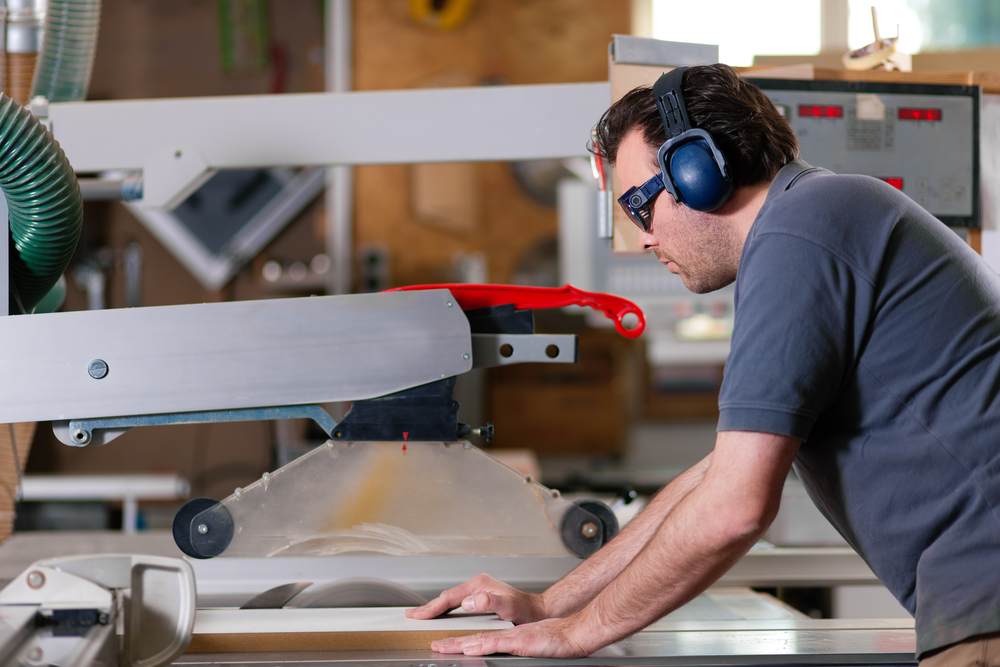
Exposure to noise for extended periods poses a considerable risk to your auditory health, particularly in locations where the sound intensity exceeds safety thresholds. It is critical to shield your ears, not only to avoid hearing damage, but also to help you maintain concentration in loud surroundings. The question then is, how do you figure out the correct level of protection necessary for your specific needs?
The value of knowing noise levels and effects
The damage caused by noise exposure is a result of both its volume and the time spent in that environment. Decibels are the central measurement tool for noise, representing the volume of sound. When sound levels get to 85 dB or higher, they can begin to damage your hearing, especially with sustained exposure.
Consider that 85 dB is similar to the intensity of city traffic noise perceived while sitting in a car. Though this volume might not seem excessive, spending eight hours in it non-stop can lead to hearing impairment. The louder the sound, the shorter the safe exposure time:
- Exposure to 90 dB (the sound of a Lawnmower) for more than 4 hours could be damaging.
- You should keep exposure to 100 dB (such as Power tools) to one hour or less.
- Damage is possible after only 15 minutes at the 110 dB level (Leaf blower).
- Your hearing can be harmed by any exposure to a 120 dB sound (Rock concert).
- A sound level of 140 dB (Jet engine) can cause instant pain and damage.
How to detect unsafe noise environments
When you are routinely around noise at 85 dB or higher, hearing protection becomes a vital requirement. Such protection is chiefly critical in industrial settings, including factories and construction sites, or any places where high noise is produced by devices, equipment, or engines.
You can encounter unsafe noise levels even in recreational pursuits—such as attending concerts, utilizing leaf blowers, or shooting sports—making hearing protection smart outside of a job setting.
Choosing protection based on Noise Reduction Ratings (NRR)
We gauge the performance of hearing protection through its Noise Reduction Rating (the NRR). The NRR value shows the level of sound blockage, expressed in dB, that the protector provides. Higher rating values deliver superior protection. As an illustration, earplugs rated at 30 dB NRR will lower an 85 dB noise to 55 dB, ensuring you remain safely below the danger threshold.
When making your choice, consider the actual noise volume you are facing and verify that the protection reduces the sound below the 85 dB limit.
The important role of comfort in continuous protection
Although the NRR is paramount, comfort is just as significant for ensuring that the protection will be used consistently over time. If hearing protection feels ill-fitting or awkward, you may be tempted to remove it—leaving your ears vulnerable to damaging noise.
Choosing well-fitting hearing protection results in consistent wear, thus reducing the danger that you will be exposed to noise periodically. For example, if earmuffs are too heavy or cause discomfort, you may find yourself removing them occasionally, exposing your ears to hazardous noise levels.
Different options of hearing protection available
Different varieties of hearing protection exist, and each one offers unique advantages and cons:
- Foam Earplugs are worn in the ear canal and deliver excellent protection; they are disposable and light, but not everyone finds them comfortable.
- Pre-Molded Earplugs: These rest just outside the ear canal and are reusable, making them a more sustainable option. They’re easier to insert and remove compared to foam earplugs.
- Earmuffs enclose the ear completely; they are best for varying noise environments because of their ease of removal and donning. A common disadvantage is that they can feel warm or heavy with continuous wear.
Your selection should be guided by your comfort tastes and the criteria imposed by your setting. Construction workers, for instance, might prefer the convenience provided by earmuffs, whereas factory staff may select earplugs for constant wear.
Making sure you wear it continuously
The superior hearing protection is always the unit that you steadily wear. Even a brief period without protection can lead to permanent harm on your auditory health. For this reason, it is crucial to discover a product that provides the perfect balance of protection, comfort, and convenience.
Safeguard your hearing for the coming years
Noise is an unavoidable part in our lives, but with the appropriate hearing protection, you can protect your ears while still managing to enjoy the sounds around you.
Reach out to us today to review your potential for noise-related hearing loss and how to most effectively safeguard your hearing health.