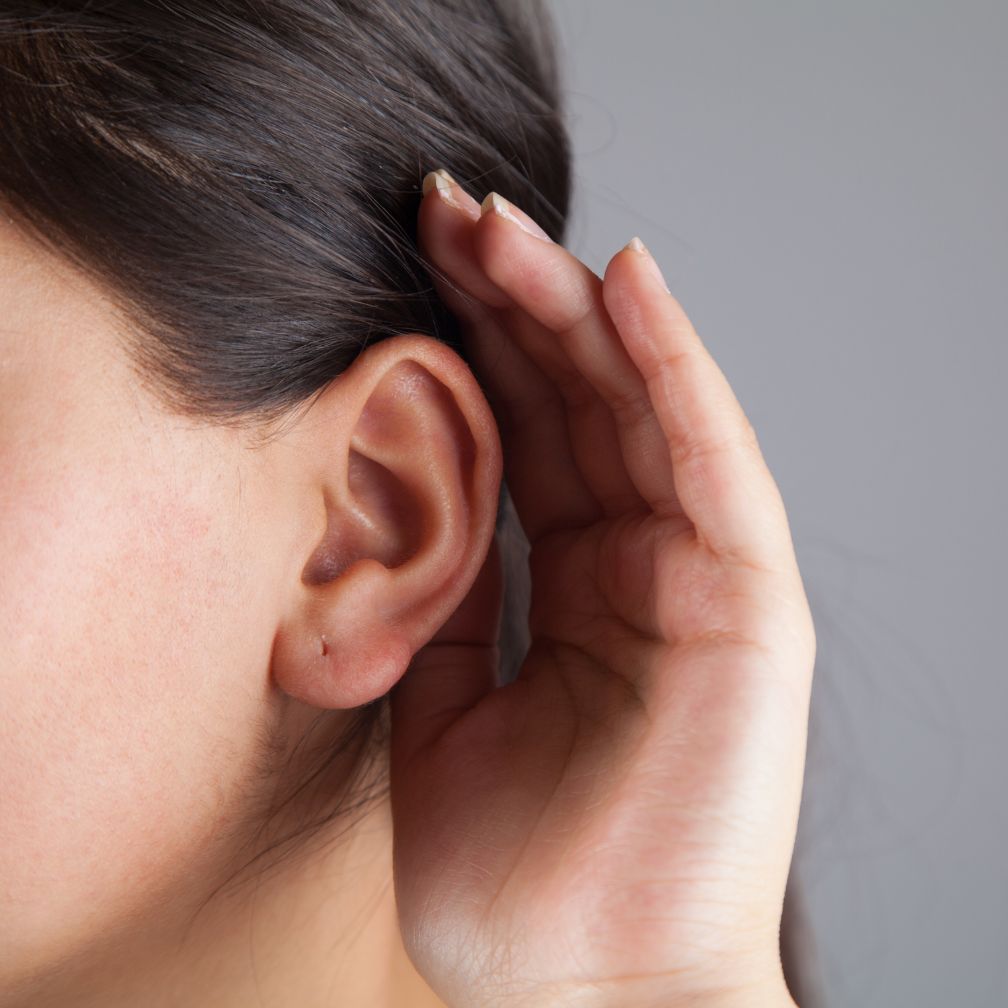
Have you noticed an unusual auditory sensation that mimics baseline white noise or a steady breeze in your ears? Why is this disruptive acoustic phenomenon completely silent to everyone else? It’s not your imagination.
Fortunately, it’s probably not “phantom ring syndrome,” a condition where people who use cell phones excessively think they hear their phone ring, buzz, or beep when no one’s calling or texting them.
But it could be tinnitus. Your perception of this sound is completely valid, though you must remain aware that several everyday variables can cause tinnitus to flare up.
You can still hear what people say. Instead, it functions as an omnipresent layer of sensory noise transposed directly on top of your standard daily hearing.
Let’s analyze the physical mechanisms behind this internal white noise, discover its underlying causes, and outline actionable strategies to suppress or resolve it.
Understanding Tinnitus: The Mechanics Behind Internal Head Static
From an audiological standpoint, tinnitus is almost always a direct proxy for localized hearing loss. The condition presents as a continuous or episodic phantom frequency that overlays all external environmental sound. Depending on the type of tinnitus you have, it may be unnoticeable most of the time. Conversely, you may be trapped in a severe cycle where the internal static feels absolutely overwhelming, disrupting your concentration and peace of mind.
You have likely attempted to describe this exhausting sensory distortion to friends, but this particular manifestation of hearing loss is incredibly abstract to those with normal hearing.
Many patients struggle to accept that a roaring sound inside their ears cannot be recorded or validated by outside observers. Is it a hallucination? How can an invisible sound wave cause such a profound barrier when you are trying to comprehend spoken language from family members? Or sleeping?
What is the noise you hear when it’s quiet?
It is a well-documented clinical fact that a lack of environmental audio causes your internal ear noises to feel significantly worse. This structural shift happens because the internal hum doesn’t have to fight against real-world sound waves—as seen when people lock down their bedrooms for total quiet at night. They sleep with no television operating, no bedside audio streaming, and absolutely no masking noise whatsoever. Add to that the fact that you’re probably alone with your thoughts during this time, and when you start to notice the buzzing or humming in your ears, it turns into the only thing you can think about, making the symptoms seem even worse. Whether your condition presents as a faint hiss or a booming roar, a quiet nocturnal space creates a sensory vacuum that allows tinnitus to fully take control of your mind.
The Variable Auditory Profiles of Chronic Tinnitus Explored
While explaining the condition to normal-hearing peers is a major hurdle, comparing notes with another person who has tinnitus can create unexpected doubt. They may be experiencing very different symptoms than your own, which might lead you to think that what you have isn’t tinnitus at all.
Yet, despite these tonal differences, your underlying diagnosis remains highly probable. That’s because tinnitus takes many forms and sounds different to different people. These include, but aren’t limited to, hearing:
- A continuous blanket of high-frequency digital static
- An unceasing structural or electrical humming sound
- A sharp, highly irritating electrical buzzing
- The classic, crystalline ringing tone deep within the ears
- A blunt, repetitive thumping sequence inside the canal
- Dial tone
Under standard clinical circumstances, you remain the exclusive audience for the subjective white noise generated by your neural pathway errors. Because of this, a traditional doctor cannot physically audit or hear the frequency to validate your complaint. Instead, the doctor will just have to take your word for it on this one.
Unfortunately, this clinical gap frequently leaves patients feeling misunderstood or dismissed by general practitioners who lack dedicated training in audiological medicine.
Sharing his experience, a steelworker named Thomas noted: ‘When the internal ear static first became chronic, I sought help from my primary care provider. While the doctor did state that it might be tinnitus, he didn’t really seem to understand how debilitating the noise was. He brushed off the symptom as though it lacked any real physical impact on my life. He assumed I could easily tune out the static and offered absolutely no management strategies or medical next steps.’
Speaking with a specialist can help solve this problem and can help identify solutions. In many clinical scenarios, the specific tonal characteristics of your internal noise provide vital diagnostic data regarding the most effective intervention path.
Whooshing vs. Ringing: Identifying High-Risk Vascular Anomalies
What makes it even harder to describe this noise to a doctor is the fact that there are so many different ways tinnitus can manifest itself. Consider a scenario where you perceive a fluid-like whooshing or a rhythmic thumping that beats in unison with your heart; this pattern points directly to a distinct condition called pulsatile tinnitus.
Happily, clinical teams can resolve this whooshing variation more definitively than traditional ringing, given that its roots are usually tethered to physical circulatory issues like hypertension or carotid artery changes.
This distinct vascular whooshing can stem from turbulent blood flow forcing its way through constricted cranial vessels, a physical phenomenon clinically identified as a bruit. It is absolutely imperative to have this symptom evaluated by a specialist, as this mechanical murmur can occasionally warn of severe cardiovascular blockages that precede an acute stroke or seizure.
The Auditory Reality of Pulsatile Symptoms: External Verification Options
The reality is undeniable: this persistent head noise is a legitimate, exhausting condition that severely impacts quality of life. While it often can’t be diagnosed, there are rare instances that concern pulsatile tinnitus, where a hearing specialist trained to treat tinnitus can use instruments like a stethoscope to hear what you’re hearing. Keep in mind, however, that this physical verification is strictly limited to the pulsatile subtype, which represents a small fraction of overall global tinnitus diagnoses.
What Triggers the Ringing? Uncovering Your Personal Path of Injury
Statistically, the primary driver of chronic ear ringing is prolonged, repeated exposure to high-decibel environmental noise. This explains why the disorder is highly prevalent among professional musicians, concertgoers, and industrial laborers who operate within loud environments for consecutive hours over several years.
There are some professions that are loud enough to cause workers to develop tinnitus, such as:
- Factory Work – Operating around unmitigated industrial machinery for consecutive hours creates a highly toxic environment for your delicate hearing mechanisms. Beyond the raw volume, the high-pressure nature of manufacturing work spikes your stress hormones, which serves as a major secondary driver that worsens the internal ringing over time. If your job positions you near an active pneumatic riveter, you are facing a massive risk; these devices exceed 125 decibels, a level that causes immediate structural ear damage and severe, permanent static.}
- Modern Farming – The primary danger on a homestead isn’t the livestock. While a nearby rooster can hit 90 decibels, the mechanical components of modern farming pose a much greater threat to your long-term hearing health. High-horsepower tractors, massive combines, heavy harvesters, and high-pressure milking pumps all emit continuous, dangerous decibel levels. Furthermore, basic estate upkeep can damage your ears; a standard consumer table saw outputs more than 85 decibels, which actively destroys hearing tissue through prolonged exposure.}
- Pilots and Flight Crew – At a distance of 100 feet, a standard jet engine blasts a punishing 140 decibels directly into the environment. While aviation safety rules require pilots to wear defensive ear protection, operators of light aircraft are positioned inches away from the propulsion source. Traditional headsets cannot completely block out this massive volume of sound pressure, ensuring that a career spent in the cockpit often results in a slow, progressive decline in hearing acuity and secondary tinnitus.}
- Motorcycle Cop – You don’t have to be a police officer to ride a motorcycle, but any job that has you riding around on this noisy vehicle all day puts you at risk of developing tinnitus and eventually losing your hearing. The same goes for snowmobiles and jet skis…though chances are you’re not riding these vehicles at work unless you have a very interesting and, let’s face it, fun job.}
- Bartenders and Service Staff – Trying to hear a customer call out an order over a crowded bar requires immense concentration from your brain’s processing centers. The background music in entertainment venues is frequently pushed to dangerous decibel levels, making it impossible to hear a person standing directly in front of you and forcing your ears to strain constantly against the noise. When the lounge features a live musical act or a club DJ, your hearing paths sustain identical structural wear to the performers on stage.}
The common denominator in all these jobs is that the delicate sensory hair cells within the inner ear have been bent or broken by continuous sound pressure. These specialized cells act as the body’s natural microphones, capturing frequencies and allowing your mind to comprehend speech and music. The critical issue is that these auditory hair cells cannot replicate or heal once they have been crushed by noise, resulting in lifelong hearing distortions and chronic tinnitus.
Everyday Variables That Can Cause Your Ear Ringing to Flare
While sound exposure remains the primary cause, several everyday health and environmental variables can drive up the volume of your internal ringing.
- Mental Health Challenges – Living with generalized anxiety or depression creates a highly frustrating catch-22 scenario. The moment your stress or mood drops, your neurological sensitivity to the ear ringing spikes, which immediately causes your psychological distress to worsen in response.}
- Neglecting Auditory Self-Care – Your ear pathways signal distress through pain or fullness when environmental sound hits dangerous thresholds. Do not simply ignore the warning signs or push through the noise; prioritize ear protection, because your baseline hearing cannot be restored once it is lost.}
- High Blood Pressure – Unmanaged hypertension can cause severe micro-circulatory issues, starving your cochlear architecture of oxygenated blood. This fluid restriction causes an immediate surge in the loudness of your tinnitus and can compound your long-term hearing degradation if left untreated.}
- Smoking and Tobacco Use – The chemical dependency and restlessness that develops between nicotine doses directly amplifies your internal ear noises. While smoking another cigarette appears to calm the symptoms temporarily, it is actually accelerating the core damage by damaging the micro-vessels that support your hearing pathways.}
- Nutritional Choices – Certain dietary components, especially concentrated caffeine and chemical sweeteners, can irritate your nervous system and increase ear ringing. Implementing a daily food tracking journal allows you to monitor your chemical intake alongside your tinnitus levels to systematically discover your personal food triggers.}
- Toxic Relationships – Spending time around highly negative or stressful individuals can actively exacerbate your tinnitus by driving up your blood pressure, anxiety, and depression. You must critically evaluate relationships that introduce chronic emotional friction, deciding if those interactions are worth sacrificing your physical hearing health. Keep in mind that while you possess zero power to alter another person’s personality, you retain full authority to limit your exposure to them.}
- Pregnancy – About a third of pregnant women experience tinnitus symptoms, which are often brought on by changes in their hormones and blood pressure, among other reasons.}
- Deep wax build-up – Earwax pressing on the eardrum can cause odd sounds. Having that wax removed professionally could instantly stop the ringing in some cases.}
- Medications and Over-the-Counter Drugs – Certain prescription opiates, specialized antibiotics, high-dose diuretics, oncology drugs, and routine retail pain relievers possess well-known ototoxic properties that trigger or worsen tinnitus. You should actively discuss your medication list with an ear specialist and your general doctor to discover safer alternatives and mitigate these side effects.}
Overcoming the Static: Proven Therapeutic Approaches for Tinnitus Relief
If you have an underlying condition, talk to your doctor. Specific systemic disorders significantly worsen your internal noise levels, particularly unmanaged anxiety and high blood pressure.
After all primary medical and vascular variables have been successfully managed, you can confidently explore specialized audiological interventions. Effective clinical avenues for suppressing the noise include:
- Holistic Stress Reduction – Committing to structured meditation, therapeutic yoga, or dedicated breathing routines helps calm an overactive sympathetic nervous system. Learning to manage mental strain naturally without reliance on alcohol or pharmaceuticals is a skill rarely taught in traditional settings. However, incorporating these behavioral techniques is highly recommended, as they deliver measurable, long-term relief from internal head noise.}
- Acoustic Sound Masking – Deploying consistent ambient white noise in your bedroom can provide immediate, profound relief during your sleep cycle. However, you must absolutely avoid the dangerous practice of trying to overpower the ringing using high-volume earbuds or alternative loud audio sources. Taking that aggressive approach will inevitably compound your inner ear damage and worsen your symptoms over time.}
- Advanced Sound-Conditioning Hearing Aids – Modern digital hearing instruments can be specifically calibrated to neutralize your phantom frequencies. Current audiological devices feature sophisticated, integrated tinnitus mitigation algorithms as a standard option. During your personalized fitting session, an expert can program the device to emit an individualized counter-frequency that effectively cancels your specific ringing tone.}
- Sound treatment, which trains your ear to ignore the sound. Sound therapists emit a sound into your ear that mimics the sound you hear. It teaches your brain to ignore the sound and focus on other sounds, like voices.}
- Cognitive Behavioral Therapy (CBT) – This gold-standard psychological methodology is heavily utilized by mental health experts to break destructive cognitive habits and anxiety loops. If you find yourself constantly obsessing over negative current events, stressful news, or external life variables outside your control, CBT provides a powerful framework. The therapy successfully retrains your brain to shift attention toward constructive thoughts and actionable personal choices, which drastically lowers your systemic cortisol and stress levels.}
Can listening to white noise help cure my tinnitus?
You are likely familiar with the old adage of fighting fire with fire, but can you successfully neutralize subjective white noise with environmental white noise? Recent audiological research out of England notes that while consistent sound therapy effectively reduces symptom awareness, it cannot stand alone and must be paired with secondary clinical treatments.
The honest clinical reality is that a permanent cure for this condition has not been discovered, meaning our medical goals focus on deploying specialized treatments to help you control and cope with the condition.
So what else can you do to treat your tinnitus? Your absolute highest priority should be to secure a professional hearing evaluation from an expert. You’ll find out how much it’s impacting your ability to understand when people speak. Following your exam, you will be prepped to map out an advanced, highly tailored recovery plan alongside your local hearing care physicians.
Understanding Auditory Pareidolia: Why You Might Hear Music or Voices in Static
Should you track complex orchestral arrangements or human voices within background noise, your symptoms fall outside the definition of traditional ear ringing. Furthermore, you can immediately set aside any panic or anxiety regarding your mental health; this experience is absolutely not a sign of schizophrenia or a severe psychiatric disorder. The scientific explanation for this sensory trick is a benign condition known as Musical Ear Syndrome, cross-sensory apophenia, or standard audio pareidolia. These illusions occur because your central nervous system relies heavily on advanced pattern recognition to constantly organize and decode ambiguous environmental noise. Sometimes it misinterprets what it hears. For instance, pareidolia represents your mind’s natural habit of translating empty background sounds into a specific memory file, like a distinct musical rhythm. However, if you are tracking rich, complex melodies in a room that features absolute, total silence, you may be experiencing a specialized musical hallucination.