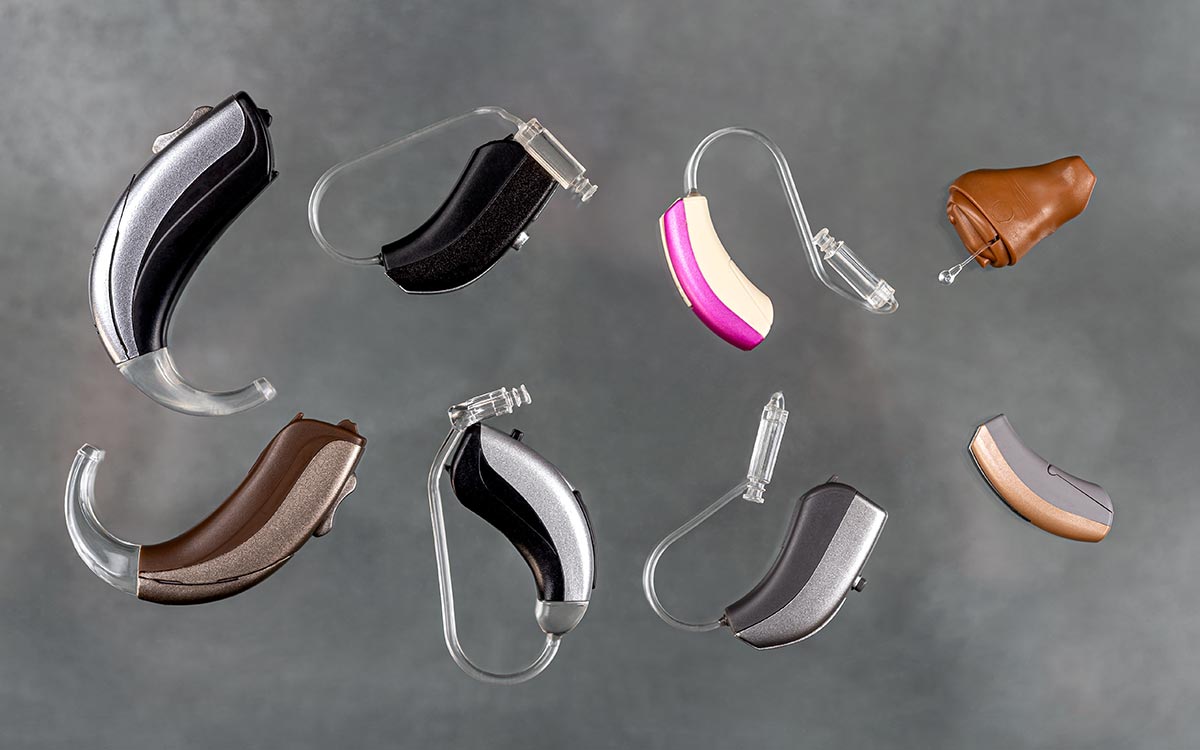
Selecting the right hearing aid can be a daunting task, given the vast array of styles, sizes, and technological features available in modern devices. However, a specialized hearing solution exists for every person’s singular needs and daily habits. It’s just an issue of locating it!
Gaining an accurate understanding of common hearing aid categories will empower you to make a wise decision for your hearing health. In this analysis, we look at current styles and the unique characteristics that define them.
In-the-Canal (ITC) Hearing Aids
Basic Summary:
ITC models are custom-made to sit within the ear canal, though an inconspicuous part of the shell remains visible in the ear’s outer portion.
Why users choose them:
- Less apparent than standard full-size models
- Individualized shaping guarantees long-term wearing comfort
- Suitable for mild to moderate hearing loss
Because they provide both discretion and helpful features, ITC models are a top pick for those new to hearing technology.
IIC (Invisible-in-Canal) Engineering
Core Traits:
IIC models are the most tiny custom-fitted hearing solutions you can choose. These devices sit so deeply back in the ear that they are nearly impossible to see.
Why people pick them:
- Maximum cosmetic discretion
- Provides realistic audio because of where the device sits
- A feather-light design makes them easy to wear all day
IIC devices are primarily aimed at patients with moderate hearing needs who want their technology to remain completely unnoticed.
Full and Half-Shell ITE Varieties
Structural Info:
These models fill either the full or bottom half of the outer ear bowl. These are custom-fabricated for an exact fit based on your ear’s anatomy.
Value Offering:
- The increased surface area provides space for extra functionality and extended power
- Simpler to manage for those with dexterity challenges
- Effective for an extensive range of hearing impairments, ranging from mild to severe
Many patients prefer ITE devices because they offer a streamlined, self-contained design that doesn’t hook over the ear.
Traditional BTE Units
Functionality:
BTE hearing aids rest comfortably behind the ear. Audio is delivered via an ultra-fine tube or a personalized mold in the canal.
Reasons for Selection:
- Known for remaining remarkably adaptable and robust
- Can be programmed to help users with everything from mild to profound loss
- Offer room for advanced features and rechargeable batteries
BTE devices are a wonderful option for individuals seeking reliability, ease of use, and strong amplification.
Modern RIC Devices
Mechanical Setup:
RIC hearing aids look similar to BTE models, but the speaker (receiver) sits inside the ear canal rather than inside the device behind the ear.
Key Benefits:
- Very organic sound quality
- The ultra-thin design is equally light and nearly effortless to wear
- A versatile choice that works for various degrees of auditory needs
The combination of style and high-end performance renders RIC models an ideal choice in the modern market.
Understanding Long-Term Solutions
What they represent:
These devices are inserted far in the ear canal by a hearing professional and can stay in place for several weeks at a time.
Why individuals choose them:
- Eliminates the requirement to put in or take out the device every day
- Offers a 100% covert solution for hearing health
- You can go about your whole life—including sports and rest—while wearing them
Extended-wear devices are ideal for those who want a “set it and forget it” approach.
Bluetooth-Enabled Hearing Aids
What they are:
Bluetooth-ready hearing aids enable an electronic bridge between your hearing technology and your smart devices.
Digital Benefits:
- Turn your hearing aids into cordless earphones for all your favorite audio
- Gives you the ability to adjust your volume and programs via a smartphone app
- Provides the ultimate in convenience for those who use smartphones regularly
Most contemporary RIC, BTE, and ITC hearing aids now provide an advanced version.
Surgically Implanted Middle-Ear Systems
What they represent:
Middle-ear implants are specialized tools that use mechanical vibration to enhance hearing via the middle ear.
Why people choose them:
- Choice for those who cannot use traditional hearing aids
- This is an expert alternative for those with chronic ear canal sensitivity.
These devices need a thorough medical review by a hearing, nose, and throat expert.
Your Path to Improved Sound
Every hearing aid style offers its own benefits, and the right option depends on your level of hearing loss, tinnitus, comfort preferences, lifestyle, and cosmetic considerations. By visiting a specialist, you can investigate various models and see which one feels most natural to you.
Start moving toward an environment of superior sound by arranging a consultation or hearing test with a hearing specialist. This simple action is the basis for improved hearing and better connections with those around you.
Sources:
https://www.mayoclinic.org/diseases-conditions/hearing-loss/in-depth/hearing-aids/art-
20044116
https://www.hearinglife.com/hearing-aids/types
https://www.nidcd.nih.gov/health/hearing-aids