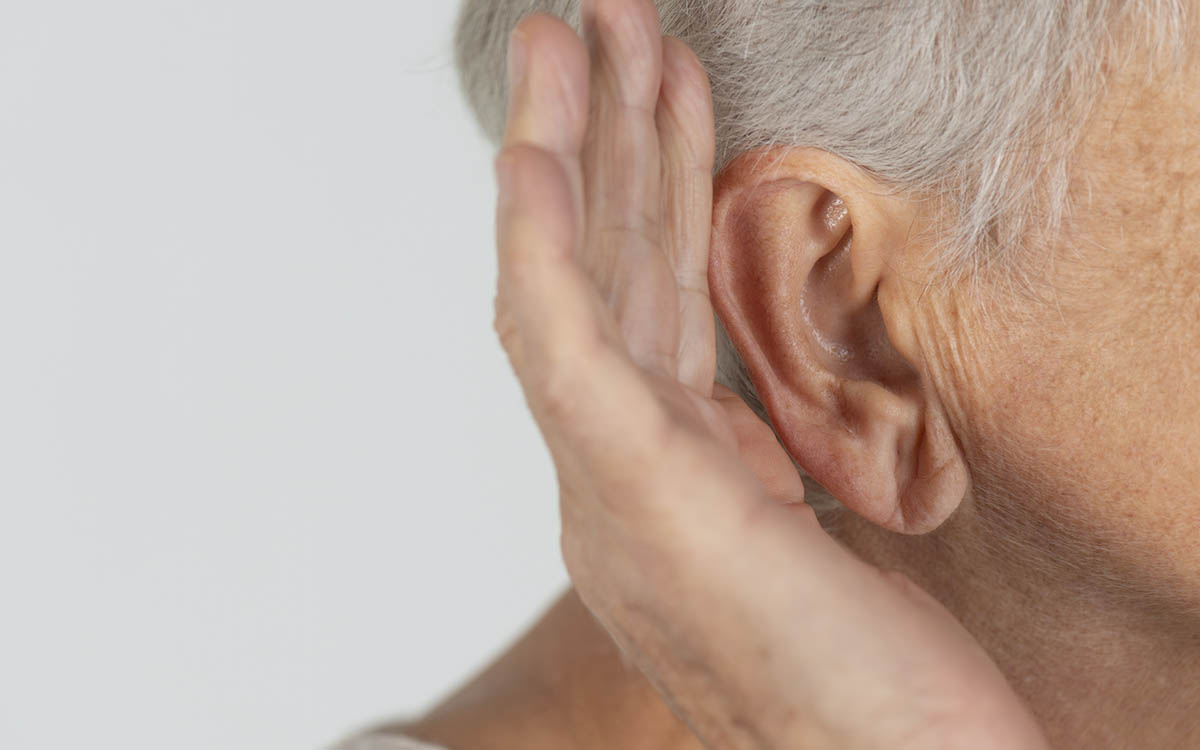
Public perception frequently ties hearing loss with getting older, however, for millions in the U.S., physiological damage begins at a younger age. Noise-induced hearing loss is one of the most common and preventable forms of damage to our hearing, advancing subtly and remaining undiagnosed until the clinical effects are permanent.
Comprehensive knowledge of how chronic noise exposure affects the ears can help you protect yourself prior to the onset of clinical hearing loss.
Understanding the Clinical Nature of Noise-Induced Hearing Loss: An Overview
Noise-induced hearing loss occurs when loud sounds damage the delicate structures inside the inner ear. Data from the CDC indicate that, auditory impairment may begin with chronic exposure to noise levels over 85 decibels. Higher intensity sounds, including those generated by machinery, music venues, or firearms, may result in immediate damage.
Within the cochlea are specialized sensory structures referred to as hair cells. These cells convert sound vibrations into electrical signals that your brain interprets as sound. Because hair cells cannot repair or replace themselves once damaged, hearing loss resulting from noise is generally a permanent physiological state.
The Advancement of Auditory Trauma
The insidious nature of noise-induced hearing loss is highlighted by its gradual developmental timeline. Early-stage symptoms resulting from noise exposure often include:
- Transient auditory sensations such as ringing or buzzing (Tinnitus)
- Subjective hearing attenuation or muffling after high-decibel events
- Challenges involving speech comprehension within high-noise settings
Initial symptoms may subside, frequently resulting in the incorrect assumption that hearing function has returned to baseline. In fact, chronic noise exposure causes ongoing trauma to inner-ear anatomy, slowly reducing hearing clarity and sensitivity over time.
The Hearing Loss Association of America reports that approximately 48 million Americans experience some degree of hearing loss, many unaware of the underlying cause.
Routine Sounds That Can Cause Auditory Injury
Modern society is characterized by high ambient noise, which frequently leads to a lack of awareness regarding sound intensity. Consequently, the frequency of hazardous noise exposure is often underestimated.
Commonly encountered risks include:
- Venues featuring high-decibel live music
- High-volume output from personal listening equipment
- Gas-powered lawn tools, industrial machinery, and motorcycles
- Professional exposure to high-volume noise in manufacturing and labor industries
Due to the routine nature of these sounds, auditory injury may accrue in the absence of overt symptoms.
The Reason Proactive Safeguards Are So Important
Noise-induced hearing loss is physiologically irreversible, unlike many other health impairments. Nevertheless, it remains a highly avoidable pathology. Simple protective habits can significantly reduce risk, including:
- The application of earplugs or attenuation earmuffs in loud areas
- Lowering headphone volume and following the “60/60 rule”
- Taking listening breaks to give your ears time to recover
- Maintaining regular clinical screenings and Audiology visits
Indications for Expert Audiology Consultation
The presence of chronic Tinnitus, impaired speech recognition, or altered auditory clarity warrants a professional Audiology consultation. Early assessment is critical for monitoring, education, and the development of protective strategies to help preserve your hearing.
Implementing protective measures today safeguards your auditory capacity for the years ahead. While environmental noise is often inevitable, hearing loss is a preventable outcome. Please contact our clinic to arrange a professional consultation regarding your auditory health.