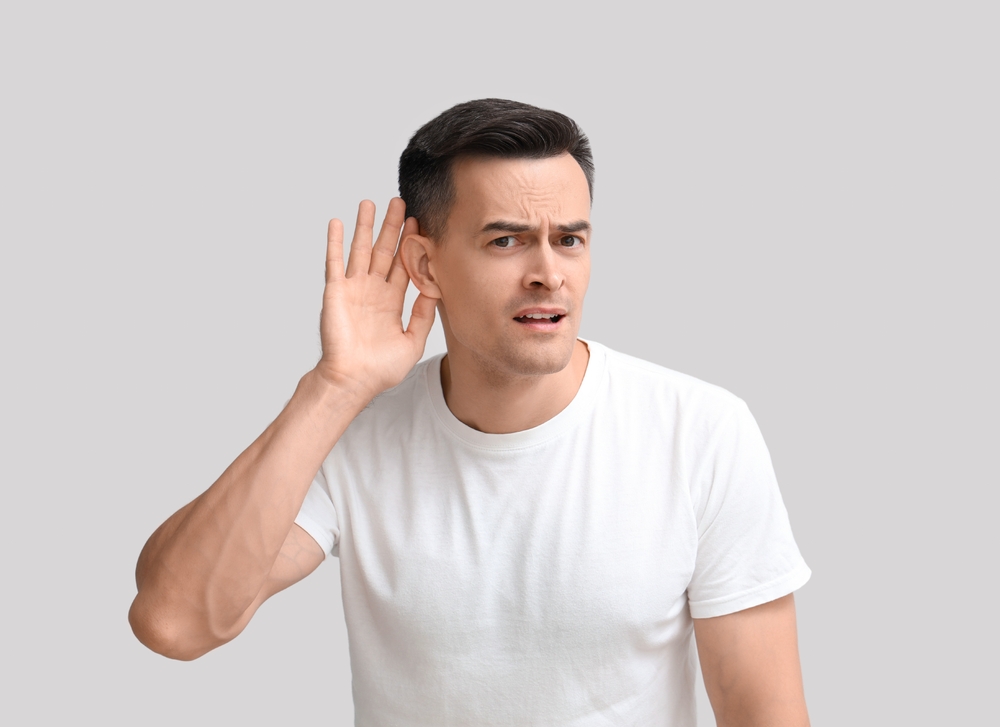
Have you noticed a distinct sense of exhaustion after participating in lengthy verbal interactions?
It is easy to misattribute this fatigue to general stress, lack of sleep, or sensory overload. While social gatherings are inherently demanding for people with sensory sensitivities, there may be another factor at play. Frequently, this specific type of burnout is actually triggered by chronic auditory fatigue.
This condition manifests when the brain’s auditory cortex is forced into an overactive state to interpret sound. When hearing is not as clear as it should be, the brain often tries to fill in missing pieces of speech and interpret unclear sounds, which takes significant mental effort. Sustained periods of this “effortful listening” eventually lead to total cognitive depletion.
Auditory fatigue is frequently misidentified as standard physical or mental lethargy. In many cases, persistent fatigue serves as a diagnostic “red flag” for early-onset hearing impairment. A comprehensive assessment can help determine whether hearing loss is contributing to your symptoms. If this cycle of exhaustion is recurring, consult an audiologist to investigate the influence of hearing loss.
Identifying the Core Drivers of Listening Exhaustion
The risk of developing auditory fatigue is increased by several physiological and environmental factors.
Why Untreated Hearing Impairment Causes Fatigue
One of the most common causes is untreated hearing loss.
The inability to capture high-frequency sounds forces the brain to work double-time to interpret the message. This constant guesswork increases listening effort, which can quickly lead to mental exhaustion during conversations.
The Challenge of Complex Soundscapes
Locations with poor acoustics often act as a tipping point for auditory fatigue. Environments with significant background chatter make it difficult for the brain to isolate and prioritize relevant audio signals.
When multiple sounds occur at once, the brain must filter through them to identify the important information. The resulting cognitive overload is particularly severe for those managing even marginal degrees of hearing loss.
Tinnitus and Sound Distortion
Chronic tinnitus compounds listening effort as the brain struggles to ignore internal noise while focusing on external speech.
Sound distortion caused by hearing loss can further increase strain, forcing the brain to work even harder to understand speech.
How to Recognize the Onset of Auditory Fatigue
Symptoms of auditory fatigue typically bridge the gap between mental clarity and physical stamina. Frequently observed symptoms include:
- Profound mental burnout after speaking with others
- Difficulty concentrating during meetings or group discussions
- Development of “listening headaches” after long social events
- A sense of agitation triggered by difficult listening conditions
- Withdrawing from conversations or social events
- Compulsive need for rest after navigating a noisy environment
Should these signs become habitual, they serve as evidence of excessive cognitive load.
How the Brain Compensates for Hearing Impairment
Clear auditory input allows the brain to interpret sound with virtually no conscious effort. When input is weak, the brain must “steal” processing power from other areas to manage auditory interpretation.
Researchers describe this as increased cognitive load. It’s where the brain redirects energy from other tasks (like memory and focus) to figure out what someone is saying. The long-term effect of this cognitive shift is the profound “emptiness” felt after socializing. Standard dialogue, which should be easy, becomes a high-intensity cognitive task.
Using Clinical Evaluations to Uncover Auditory Strain
A formal auditory screening is the most effective way to determine why you feel so drained. During a comprehensive hearing test, an audiologist will measure how well you hear different tones and speech sounds. Testing your hearing in a noisy context is vital for identifying the true drivers of your social exhaustion.
The results of a hearing test provide the roadmap for addressing both the impairment and the resulting burnout. Identifying hearing changes early allows treatment to begin sooner, helping reduce listening strain before it begins affecting daily activities and social interactions.
The Benefits of Audiological Rehabilitation
The right hearing treatment acts as a “pressure release valve” for the brain’s processing centers.
Current digital technology restores the signal-to-noise ratio, providing the brain with a cleaner audio feed. Consequently, the brain receives a high-fidelity signal that requires no guesswork or phonemic restoration.
When listening becomes easier, many people notice improvements in:
- A feeling of being more “awake” and present throughout the day
- Focus during conversations
- Reduced anxiety and heightened ease during social events
By reducing neural over-exertion, your daily life regains its sense of ease and fluidity.
When Should You Schedule a Hearing Test?
Consider booking a hearing test if any of the following rings true:
- Socializing feels like a high-intensity mental workout
- Others comment on your need for frequent repetition during social calls
- Background noise makes speech recognition a major challenge
- Social withdrawal is becoming your default response to difficult acoustics
Addressing hearing concerns early can help reduce listening strain and improve overall quality of life.
Common Inquiries Regarding Listening Effort
Are Fatigue and Loss Identical?
There is a difference: the fatigue is the neurological byproduct of the effort to hear. That said, hearing loss remains the primary catalyst for chronic listening burnout.
Can hearing aids reduce listening fatigue?
By performing the filtering for you, hearing aids dramatically reduce daily mental exhaustion.
Is auditory fatigue permanent?
Most patients find that their energy returns once the listening “gap” is closed with technology.
End Your Struggle with Auditory Fatigue Today
Daily dialogue should not be a source of profound cognitive depletion. If listening leaves you mentally drained, your ears and brain may be working harder than they should.
Begin your journey back to energy by booking a comprehensive hearing test now. The path to social confidence and mental clarity begins with accurate hearing data.