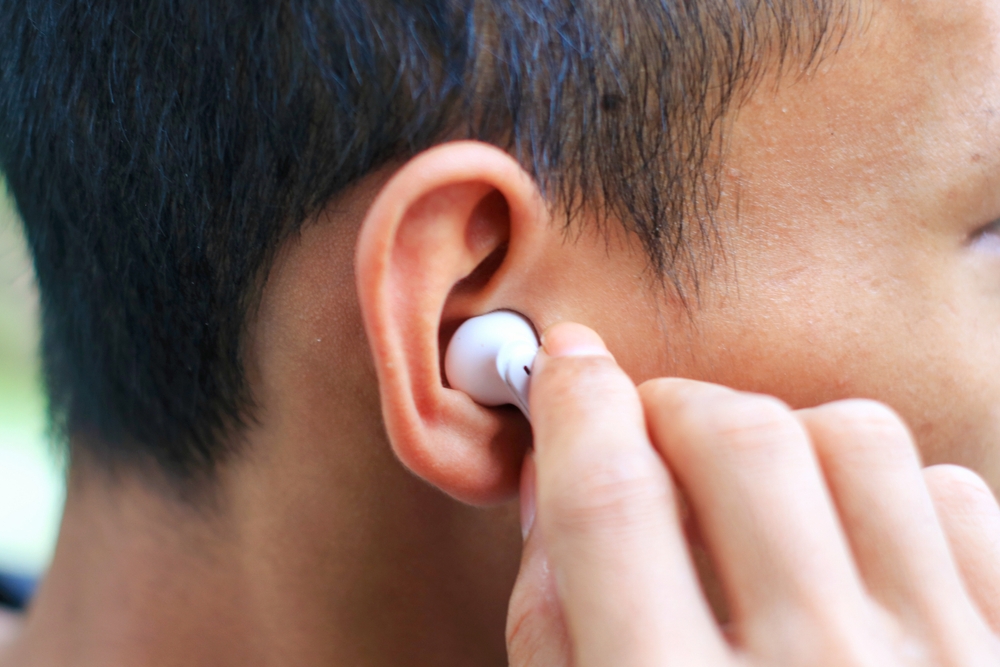
It is increasingly uncommon to observe a young adult in a public setting without an earbud in place. Though over-ear headphones are more bulky, the younger demographic still relies on them for environmental isolation. Musical enjoyment knows no age limit, though the younger generation has integrated it more deeply into their daily transitions. Given their intimate position near the eardrum, are these devices a legitimate threat to our hearing? Ultimately, hearing health depends on the management of volume and duration rather than the device category.
The Biological Threshold of Auditory Exposure
Listening to music can be relaxing, soothe our souls, or wind us up. Depends on the music. Utilizing personal audio devices is considered a social courtesy, allowing for private enjoyment in communal spaces. That’s a positive thing, and most people will tell you that they are grateful and prefer that on a train or bus.
From an audiological perspective, we must define the specific thresholds for safe volume and exposure duration. It is well-established that loud noise, regardless of the source, can compromise your long-term hearing sensitivity. Sustained exposure to extreme volumes can result in irreversible trauma to the auditory nerve. Because auditory decline is often a slow, cumulative process, the damage is frequently advanced before symptoms are noticed.
Why Earbuds Pose a Unique Threat to Hearing Health
The intensity of the decibels is the leading risk factor for permanent auditory trauma. Yet, we must remember that the length of time spent listening is equally important as the decibel level.
- The National Institutes of Health advises that sounds under 70 decibels are generally safe for the human ear.
- Louder noises will cause hearing damage faster than quieter sounds.
- Follow the 60/60 rule. Keep the volume under 60%, and avoid using them longer than 60 minutes at a time.
- Ensuring long-term hearing health requires a proactive reduction in volume and strict limits on listening time.
Indicators That You May Need a Hearing Evaluation
Common indicators such as “ringing” in the ears and a recurring inability to understand speech in loud rooms warrant an immediate specialist consultation.
Reach out to our care team immediately if you are concerned about your current hearing sensitivity.